
Paws Journal · Nutrition · 6–8 min read
Fresh and lightly cooked dog food is booming. The message is attractive: less processing must mean healthier. A new 2026 study found meaningful differences between a minimally processed cooked diet and extruded kibble — but it did not prove that one format is automatically better for every dog.
Fresh food
Often more appealing to owners and dogs, with recognisable ingredients and a softer texture.
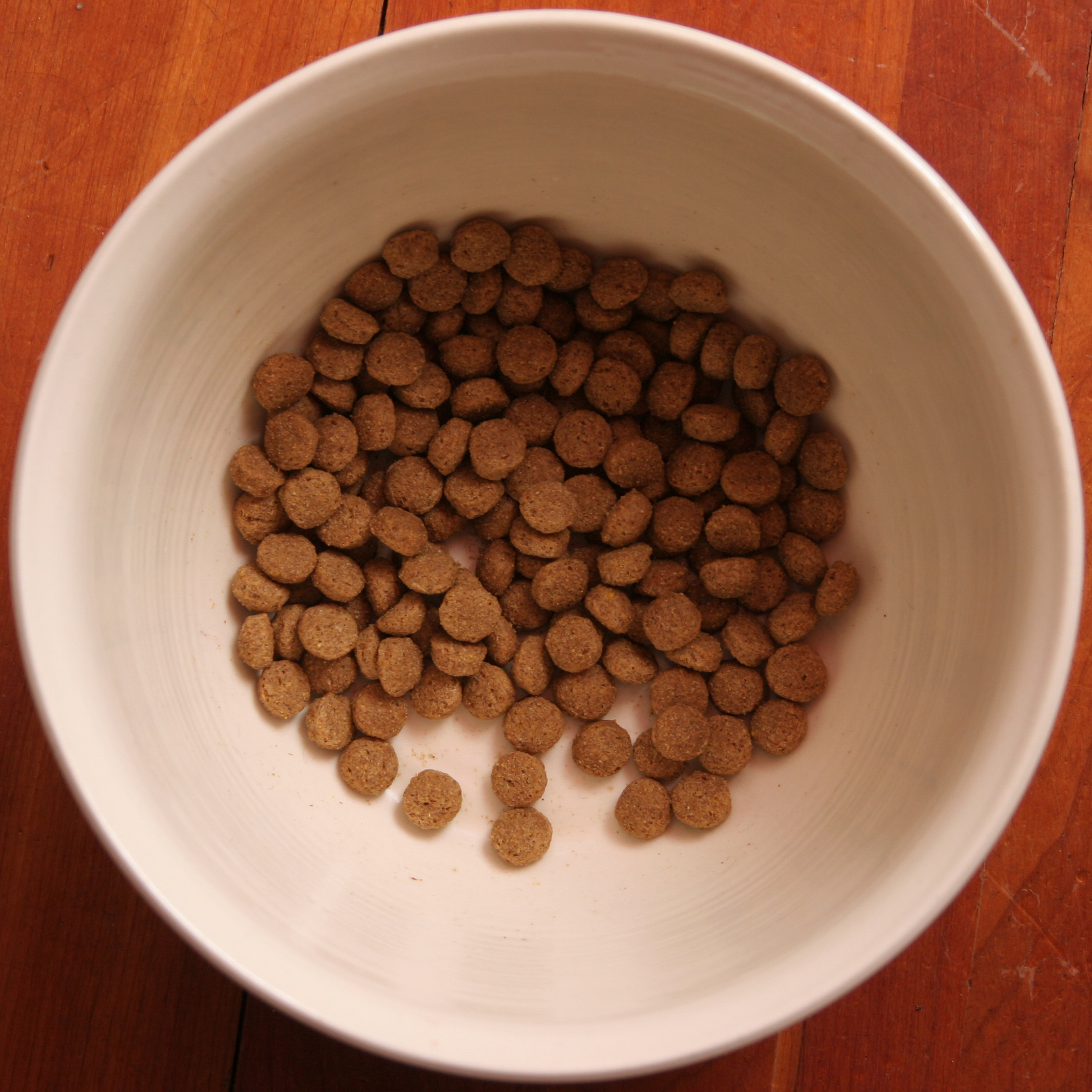
Kibble
Convenient, shelf-stable and easy to feed accurately when the product is complete and appropriate.
What did the study actually find?
Researchers followed 23 healthy pet dogs fed a complete minimally processed diet and a complete extruded kibble diet. They observed differences in post-meal blood glucose, gut-related hormones, stool characteristics and the faecal microbiome.
That sounds dramatic, but one important detail matters: the foods differed in more than processing. They also differed in nutrient composition and ingredient profile. So we cannot say that extrusion alone caused every difference.
Why marketing can make this confusing
Words such as “fresh”, “natural”, “human-grade” and “gently cooked” sound healthy, but they do not tell you whether the food is complete. A beautifully photographed meal can still be nutritionally unbalanced. A plain-looking kibble can still provide every required nutrient.
The better questions are: Is it complete for my dog’s life stage? Does my dog maintain a healthy weight? Are stools, coat, energy and appetite stable? Can I feed it consistently without constantly changing products?
When fresh food may make sense
Some dogs genuinely seem to do better on a different texture or ingredient profile. Palatability can also help fussy eaters. For owners who enjoy portioning refrigerated food and can manage the cost, a complete fresh diet can be perfectly reasonable.
When kibble is still a very good option
Kibble is practical for travel, training rewards, storage and precise portioning. The fact that a food is processed does not automatically make it poor quality. Safety, formulation and suitability matter more than whether it resembles a home-cooked dinner.
If your dog is thriving on a complete diet, there may be no reason to change it simply because another format looks more modern.
A veterinary recommendation, poor tolerance, weight-management need or clear practical benefit is a much better reason than social media.
Paws & Stays takeaway
The best dog food is not the one that looks most like human food. It is the complete diet your individual dog tolerates and thrives on over time.
Source: Campbell L et al. “Diet-induced metabolic and faecal microbiome responses in pet dogs fed a minimally processed versus extruded kibble diet.” Frontiers in Veterinary Science, 2026. Photo: James Redekop / Wikimedia Commons, CC BY-SA 2.0.