
Paws Journal · Nutrition Trends · 6–8 min read
Dog food is changing. Alongside beef, chicken and fish, we now see insect proteins, plant proteins and other novel ingredients. To many owners this sounds strange. But the key nutrition question is not “Does this look like what a wolf would eat?” It is “Does this complete diet provide what this dog needs?”
Why alternatives are growing
Novel proteins may offer new formulation options, reduce reliance on conventional livestock and provide different choices for owners.
What still matters most
Digestibility, amino-acid balance, essential nutrients, safety and whether the final food is complete for the dog’s life stage.
What do owners actually think?
A large 2026 survey of 8,823 dog and cat owners, mainly from German-speaking countries, found that conventional meat-based foods still dominate. At the same time, there is clear openness to alternatives. Insect-based foods were used less often but were viewed by many respondents as more biologically appropriate than fully vegan options.
The strongest driver of food choice was not sustainability. It was the animal’s health. That is a useful reality check: owners may care about environmental impact, but they do not want to trade away their dog’s wellbeing.
Can dogs digest plant ingredients?
Yes, dogs can use nutrients from both animal and plant ingredients when the diet is correctly formulated. The source on the ingredient list is only part of the story. Processing, digestibility and the overall amino-acid profile matter too.
A food with lots of meat on the label is not automatically balanced. A food using alternative proteins is not automatically inferior.
What about insect protein?
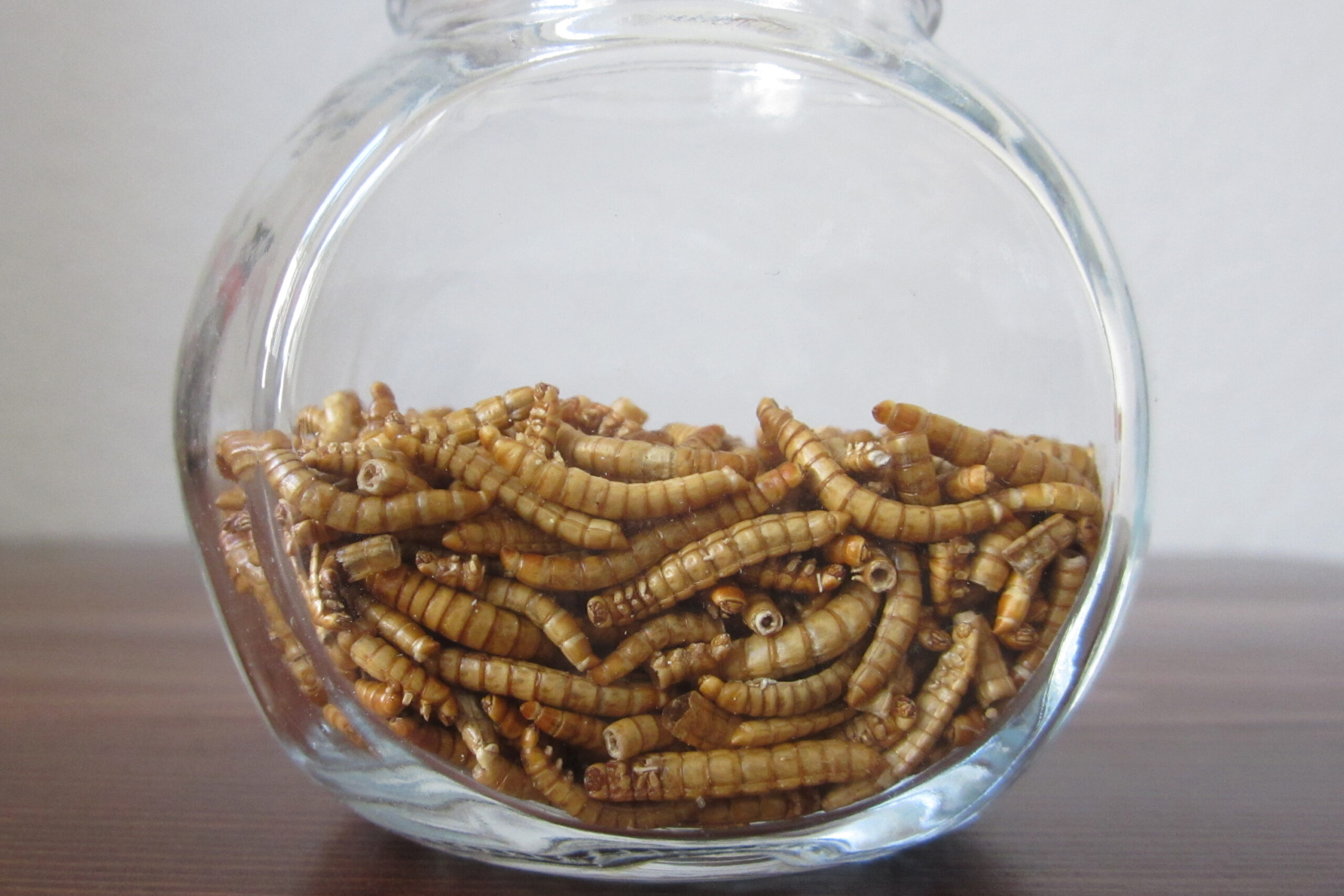
Insects can provide protein and fat and may become more common in complete dog foods. For some owners, the idea feels unfamiliar simply because we do not eat insects regularly ourselves. Dogs, however, do not judge ingredients by cultural familiarity.
Novel proteins may also be useful in certain veterinary diet strategies, although an owner should not assume that “insect” automatically means “hypoallergenic”. A proper elimination diet needs veterinary planning.
And vegan dog food?
This is where the conversation needs more care. Dogs have more dietary flexibility than cats, but a plant-based diet still has to meet every nutritional requirement. The fact that something is theoretically possible does not mean every commercial or homemade vegan diet is adequate.
Look at the complete formulation, feeding standard and quality control.
Your dog’s nutritional needs come before whether a protein source feels fashionable, traditional or sustainable.
Paws & Stays takeaway
The future of dog food will probably include more protein sources, not one universal winner. Judge the finished diet by nutrition, safety and how your dog does on it — not by the marketing story around a single ingredient.
Source: “Pet food choices in transition: how owner demographics and diets influence pet food selection and the acceptance of alternative protein sources in pet feeding.” Frontiers in Veterinary Science, 2026; n=8,823. Photo: Insektenwirtschaft.de / Wikimedia Commons, CC BY-SA 4.0.