
Paws Journal · Nutrition · 6–8 min read
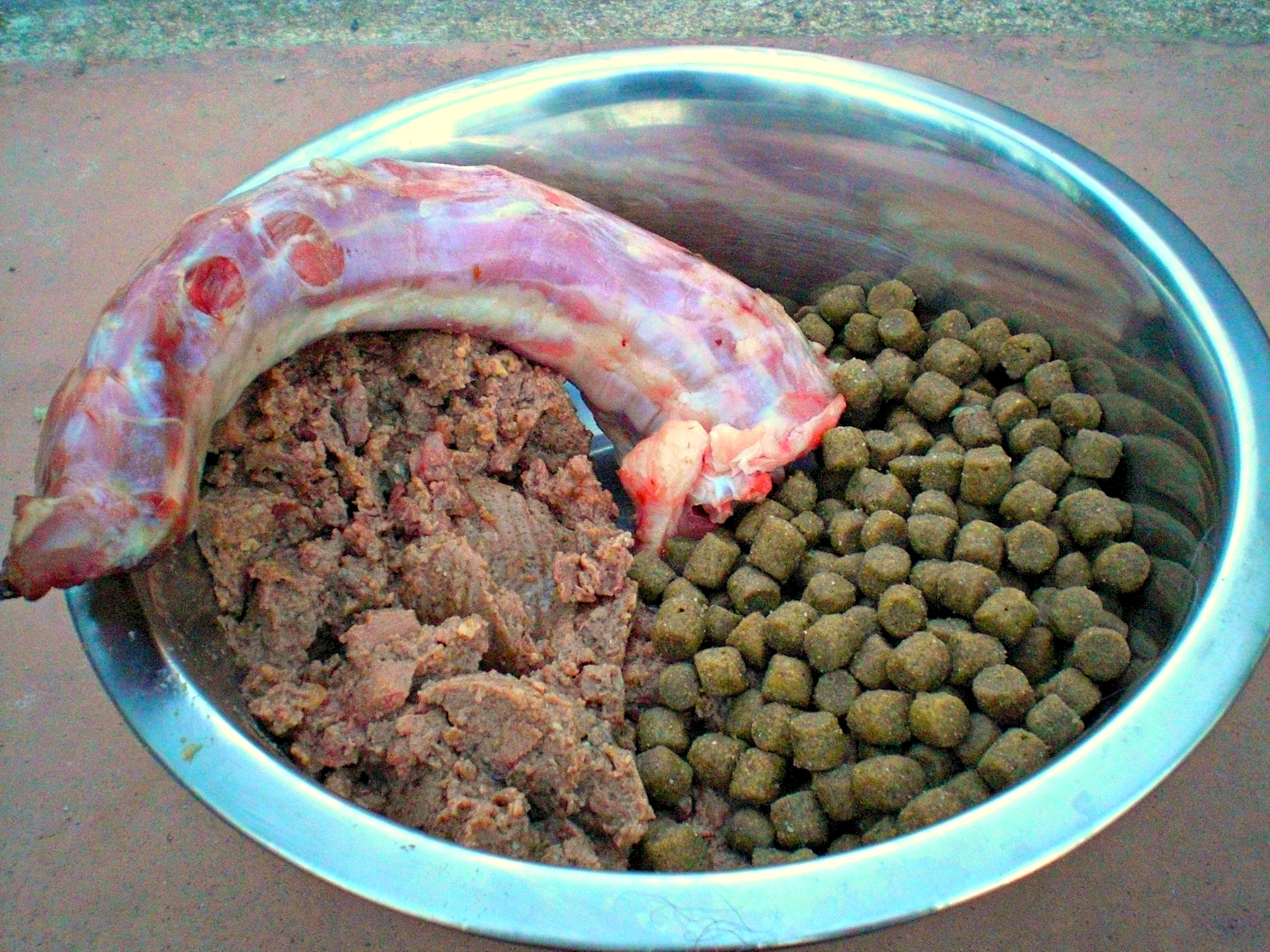
Raw feeding is one of the most emotional topics in dog nutrition. Supporters love the control and simplicity of feeding recognisable ingredients. Critics point to hygiene and nutritional risks. A new 2026 review adds useful nuance: the real question is not simply “BARF yes or no?” but how the diet is formulated, handled and matched to the dog.
What owners like about BARF
You can see the ingredients, many dogs enjoy the food, and owners can tailor recipes more easily than with a fixed commercial product.
Where problems begin
Raw meat can carry pathogens, and a homemade recipe can look healthy while still being short of important minerals or vitamins.
The biggest misconception: meat does not equal a complete diet
Dogs need far more than muscle meat. They need the right balance of protein, fat, energy, essential fatty acids, vitamins and minerals. Calcium and phosphorus are a classic example: a dog can appear completely healthy while an imbalance slowly matters in the background.
This is especially important for puppies, pregnant dogs and dogs with medical conditions. Growth magnifies mistakes. A recipe found online may sound sensible, but “beef + vegetables + a little oil” is not automatically nutritionally complete.
The hygiene question is real
Raw meat can contain bacteria such as Salmonella, Campylobacter and some strains of E. coli. The important point is that a dog does not have to look ill to carry or shed these organisms.
That matters most in households with small children, elderly people, pregnant people or anyone with a weakened immune system. Safe storage, separate utensils, hand washing and cleaning bowls immediately after feeding are not optional extras.
Does that mean BARF is bad?
No. The latest review argues against blanket judgments. Commercial raw diets, carefully formulated homemade diets and improvised raw feeding are not the same thing. Risk depends on the recipe, ingredients, hygiene, household and the individual dog.
Likewise, kibble is not automatically superior simply because it is cooked. A poor-quality or badly chosen complete food can still be a poor fit for a dog. The practical goal is not to join a camp. It is to feed something complete, safe and appropriate.
What should a normal dog owner do?
Check whether the diet is complete, review hygiene and do not assume a shiny coat proves nutritional balance.
Start with the dog’s needs, not social-media claims. Ask who formulated the diet and whether it is complete for your dog’s life stage.
Paws & Stays takeaway
BARF is not automatically healthier or more dangerous. It is simply less forgiving of mistakes. The better the formulation and hygiene, the lower the avoidable risk.
Source: Tufarelli V, Bozzo G. “Raw meat based diets for dogs and their nutritional and One Health implications.” Discover Animals, published 7 September 2026. Photo: MarianneBirkholz / Wikimedia Commons, CC BY-SA 3.0.