
Paws Journal · Breed Guide · 6–8 min read
The Hungarian Vizsla and the German Shorthaired Pointer share hunting roots, intelligence and enormous enthusiasm for movement. Yet their emotional style, build and everyday needs are not identical. Here is the practical difference — and how to decide which dog fits your life.
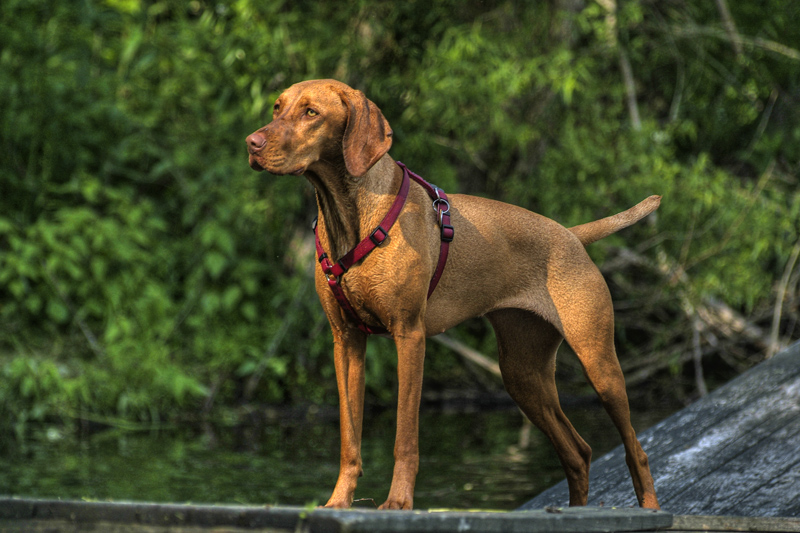
Hungarian Vizsla
Elegant, light and exceptionally people-oriented. The Vizsla tends to be emotionally sensitive and wants close physical contact with its family. It learns quickly, but responds best to calm, consistent training.
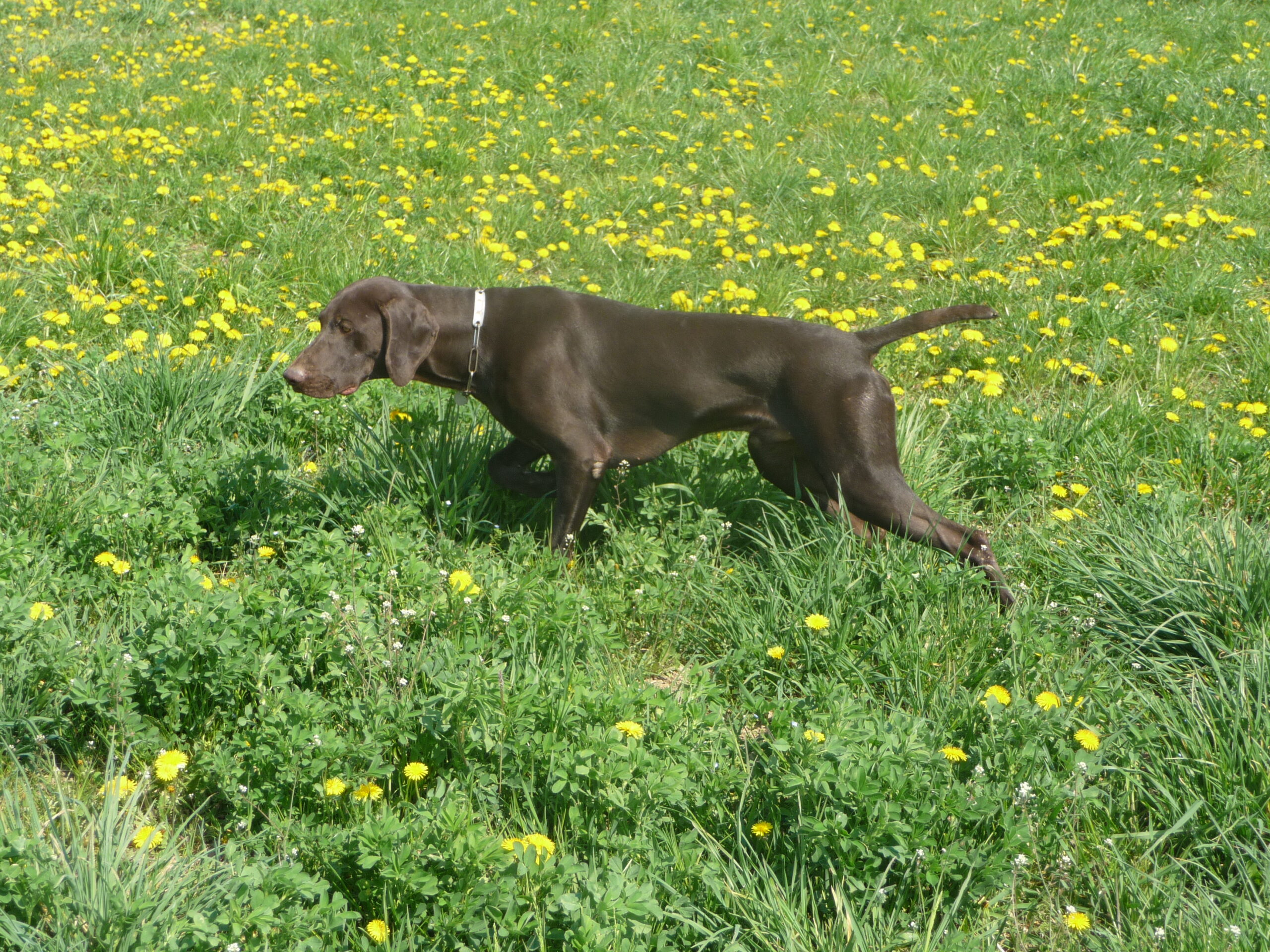
German Shorthaired Pointer
Powerful, versatile and intensely driven. The German Shorthaired Pointer is typically more robust in build, independent in the field and ready for demanding work on land or in water.
The differences at a glance
| Trait | Vizsla | German Pointer |
|---|---|---|
| Origin | Hungary | Germany |
| FCI height | M 58–64 cm · F 54–60 cm | M 62–66 cm · F 58–63 cm |
| Build | Lighter, elegant, fine-boned | More substantial, powerful |
| Coat | Solid golden-rust | Brown/black, solid, roan or patched |
| Temperament | Very affectionate, sensitive | Friendly, steady, work-focused |
| Energy | Very high | Very high |
| Best fit | Close, active companionship | Sport, field work, active outdoor life |
Temperament: closeness vs. drive
Vizslas are often described as “velcro dogs” because they stay remarkably close to their people. That devotion is one of their greatest charms, but it also means that solitude must be taught gradually. Harsh corrections can easily undermine a sensitive Vizsla.
The German Shorthaired Pointer is also affectionate and loyal, but often brings a more forceful working style. Many are bold explorers with a strong nose and powerful prey drive. Clear boundaries, early recall training and meaningful tasks are essential.
Family life, children and other animals
Well-socialised dogs of either breed can be loving family companions. Their enthusiasm and speed can, however, overwhelm very small children. Both breeds may chase cats or wildlife, so early introductions, supervision and strong impulse control matter. Individual temperament and breeding line are at least as important as the breed label.
Travel and everyday care
Both short coats are easy to maintain, but neither offers much protection in cold weather. For winter walks and alpine trips, a well-fitting coat and a warm place to rest are sensible. Their athleticism makes them excellent travel partners — provided the day includes movement, mental engagement and time close to their people.
Which one is right for you?
You want an exceptionally close, tender companion, enjoy positive training and can include your dog in most of your daily life.
You want a stronger, versatile working partner for sustained outdoor activity and can channel a determined hunting drive.
Our verdict
There is no easier option here. Both are demanding, rewarding dogs for active people. The Vizsla usually wins on emotional closeness and sensitivity; the German Shorthaired Pointer on power, versatility and field intensity. Choose the temperament you can support every day — not simply the look you prefer.
Sources: Fédération Cynologique Internationale breed standards No. 57 and No. 119; American Kennel Club and Royal Kennel Club breed information. Photos: “Vizsla standing Rosie harness” by Bryon Realey (CC BY 2.0) and “Etzel vom Thüringer Zipfel” via Wikimedia Commons (CC BY-SA 3.0). Images cropped for layout.