When a dog develops cancer: research, individual care and time together
After a cancer diagnosis, life can suddenly revolve around examinations, results and decisions. Yet the same dog is waiting at home: the one with a favourite spot who comes looking for closeness. A recent research report gives us a reason to talk about both medical possibilities and the life in between.
Research centred on the individual patient
On 15 October 2026, Purdue University highlighted the work of its Werling Comparative Oncology Research Center. Its teams study cancers including bladder cancer, lymphoma and osteosarcoma in dogs. One aim is to understand which treatment approach fits which patient and tumour. Comparative oncology also explores similarities between cancer in dogs and in people. [1]
Research news is not a promise of a cure
The report introduces a research programme. It is not a completed clinical trial comparing one new treatment with standard care. Nor does it provide an overall success rate that can be applied to your own dog. New technical approaches and personal stories are interesting; claims about effectiveness need results from the individual studies. [1]
Purdue explains that clinical trials assess, among other things, the safety and effectiveness of new approaches. Each trial protocol sets out who can take part and what will happen. Taking part is therefore not the same as receiving an already established treatment. [2]
Questions that matter in daily life
Our suggestion for a conversation with the treatment team: ask them to explain the proposed goal, the likely burdens and how you will decide together whether the approach suits your dog. If a clinical trial is an option, there are further questions: Which appointments are required? What costs are involved? What alternatives exist? How could participation be ended?
A general news story online cannot provide personal answers to these questions. They belong in a conversation with the professionals who know your dog and the findings.
The dog beyond the diagnosis
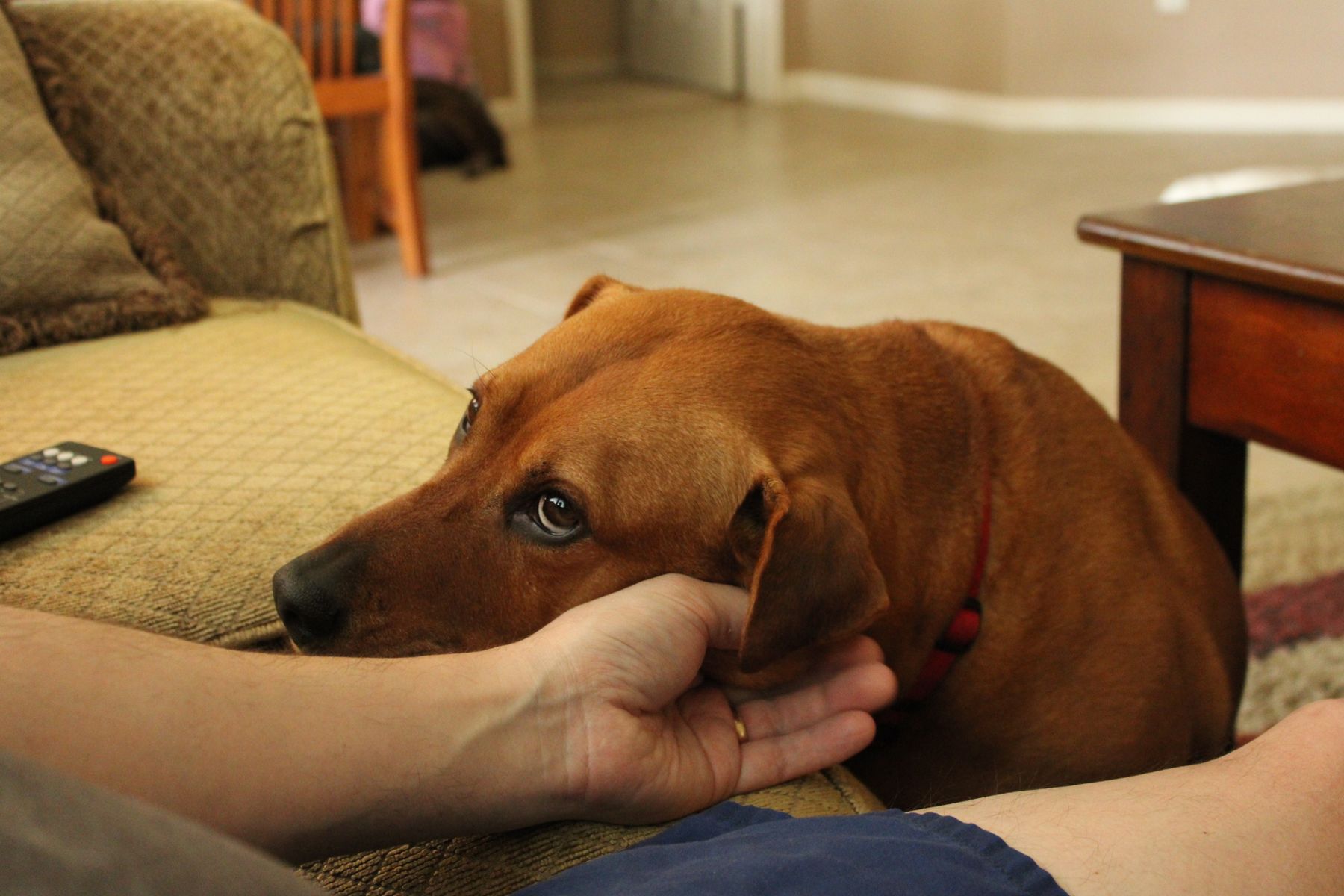
Between appointments, familiar life carries on. Perhaps you would like a quiet walk, or simply to sit together on the sofa. Discuss suitable activities with the treatment team. Observations about appetite, rest, interest and changes in everyday life can form part of that conversation.
Our vets and veterinary care section provides contacts to help you find your way. Our article What listening to your dog’s heart can reveal offers another example of why individual findings need to be understood in context.
Our thoughts at Paws & Stays
We want to leave room for hope without promising more than research can support. And we want to keep the dog at the centre of it all. They remain our best companion, even when daily life together changes. Sometimes care means exploring the options. Sometimes it means slowing down and simply being there. The right path should be chosen with good professional support and attention to the individual dog.
Sources and context
- Steff B., Purdue University College of Veterinary Medicine (15.10.2026). Dogs across the Midwest find customized care at the Evan and Sue Ann Werling Comparative Oncology Research Center. Original university report.
- Purdue University. Veterinary Clinical Trials. Information about the aims and procedures of clinical trials; accessed 16 October 2026. Original information.
This article puts a recent university news report into context. It does not report a newly proven cure or recommend a specific cancer treatment. The suggested questions are our editorial guidance. Updated: 16 October 2026.